01Reposted memes and group-chat jokes
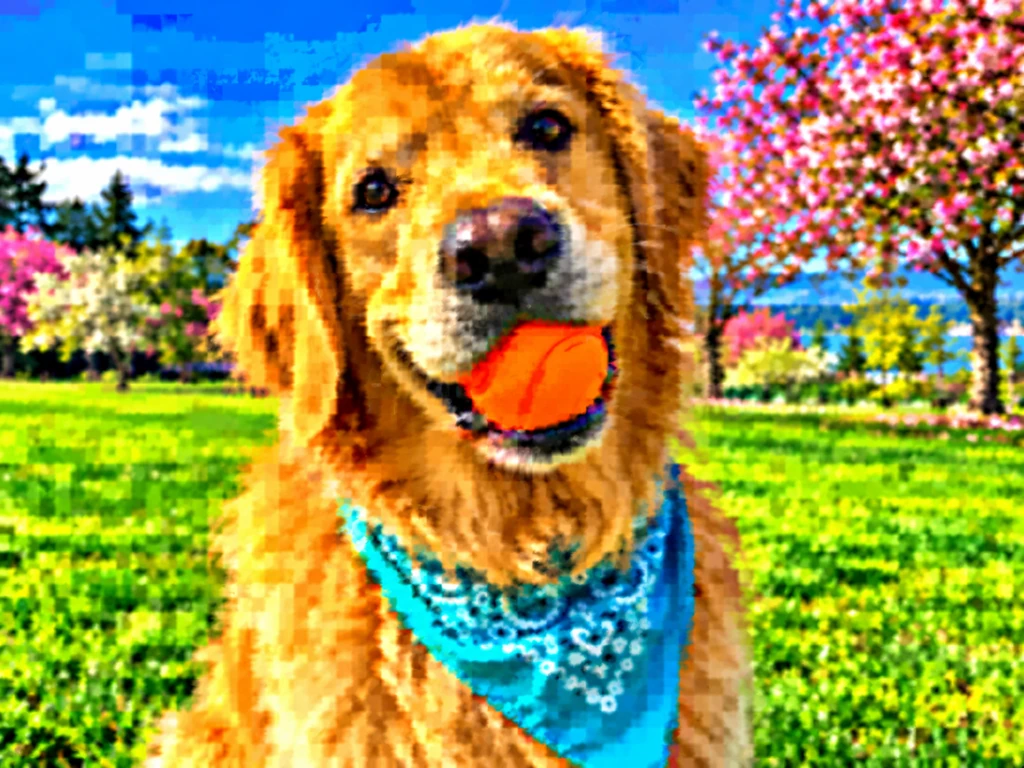
A pristine photo can feel out of place in a deliberately messy meme. Blurred detail, crunchy edges, and overcooked color suggest a picture that has traveled through too many screenshots and group chats. The worn-down appearance can become part of the joke, even when the subject is just a dog with a ball.
Example look Reposted too much
Keep the subject recognizable. If the joke depends on a caption, add the final lettering after the image edit so it stays readable.
02Old camera-phone nostalgia
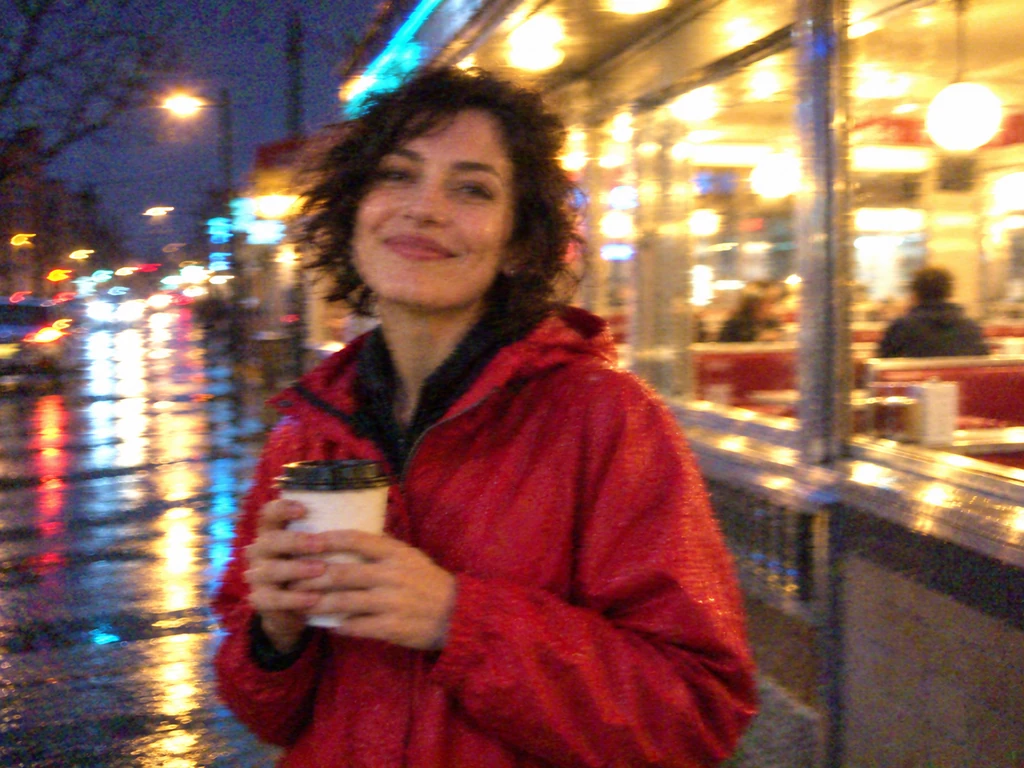
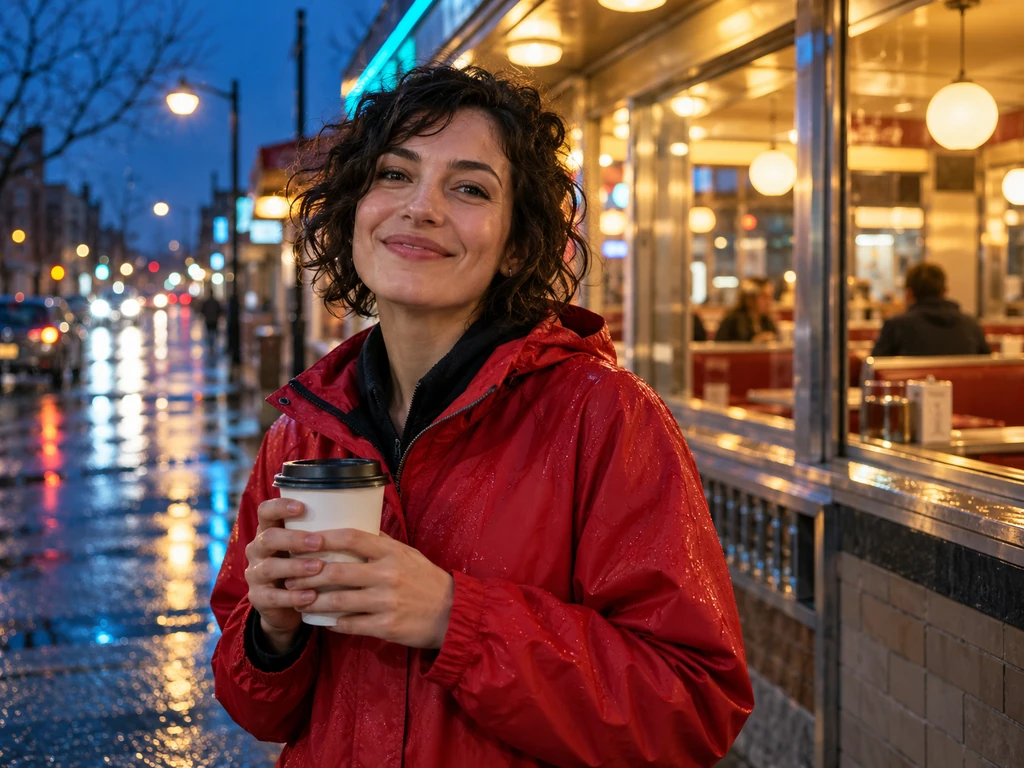
Sharp modern photography does not always match a story set in the early days of camera phones. Noisy shadows, smeared movement, and blown-out streetlights can give a fictional night out the feel of an old phone album. This direction suits nostalgic mood boards, throwback posts, and visual references for a story.
Example look 2005 camera phone
Describe the device and lighting together: a cheap phone, a dark diner, and a shaky hand give the edit a clearer direction than “make it vintage.”
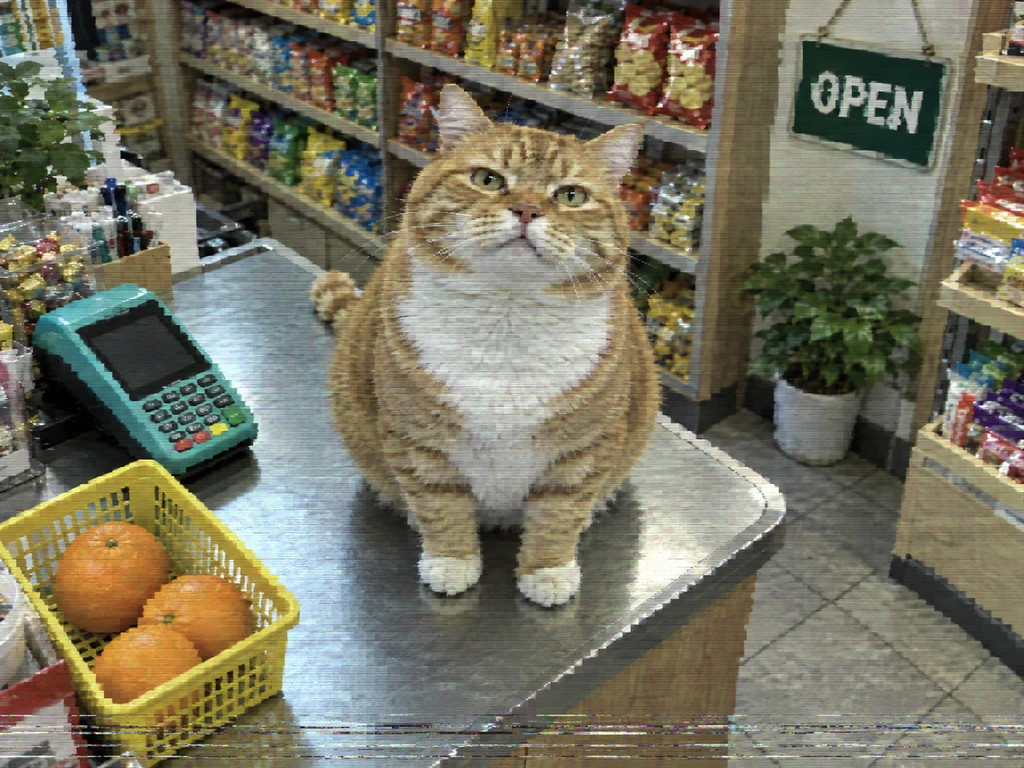
03Fictional CCTV and found-footage scenes
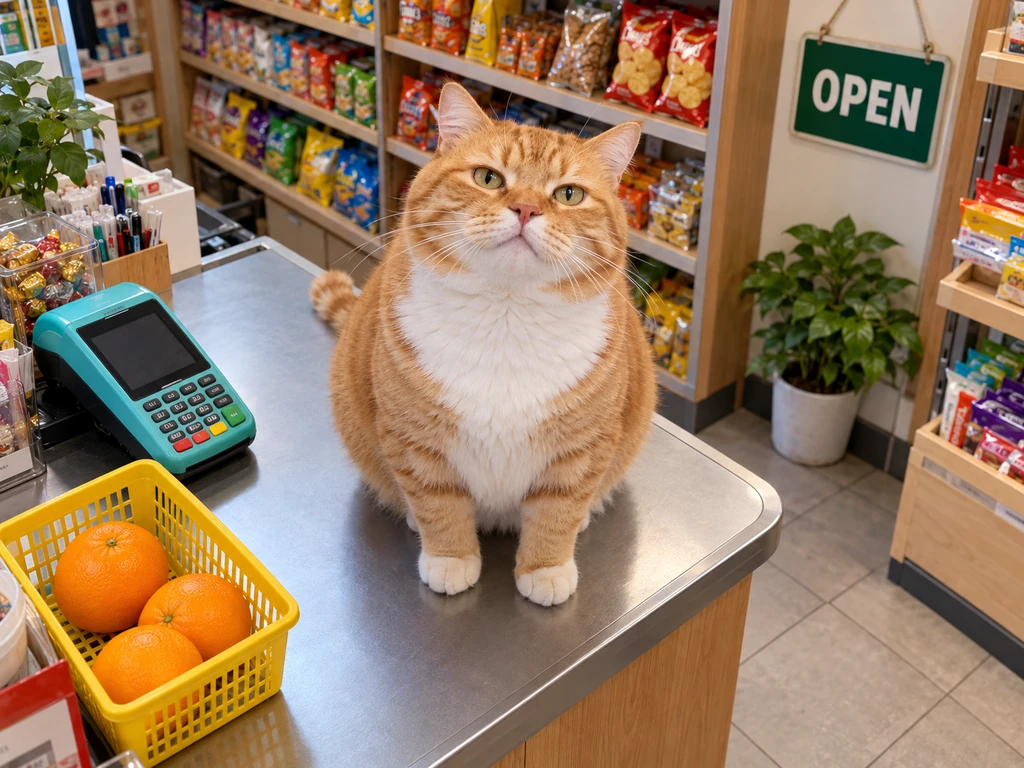
A clean shop photo and a muddy security-camera frame tell different stories. Muted color, scan lines, and missing detail can suggest a distant observer rather than a photographer posing a shot. Use this look for fictional mystery boards, game concept art, or a comic scene presented as a security-camera still.
Example look Bad CCTV
Choose a source image with a useful viewpoint. A photo taken above the subject is a closer starting point than a tight eye-level selfie.
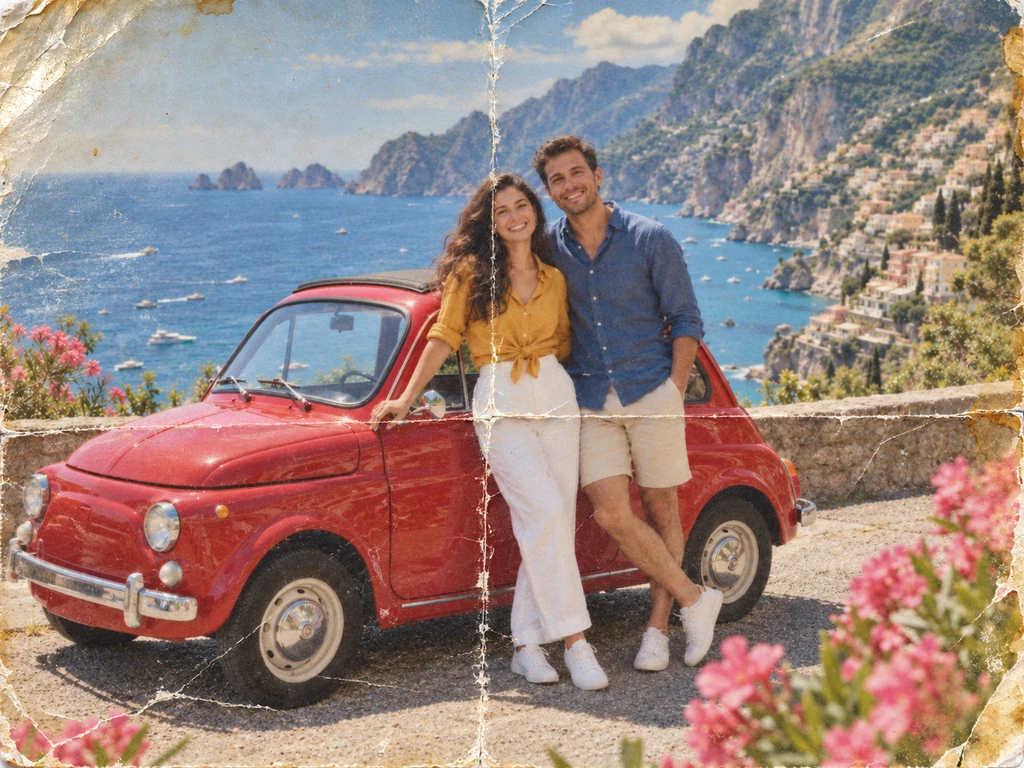
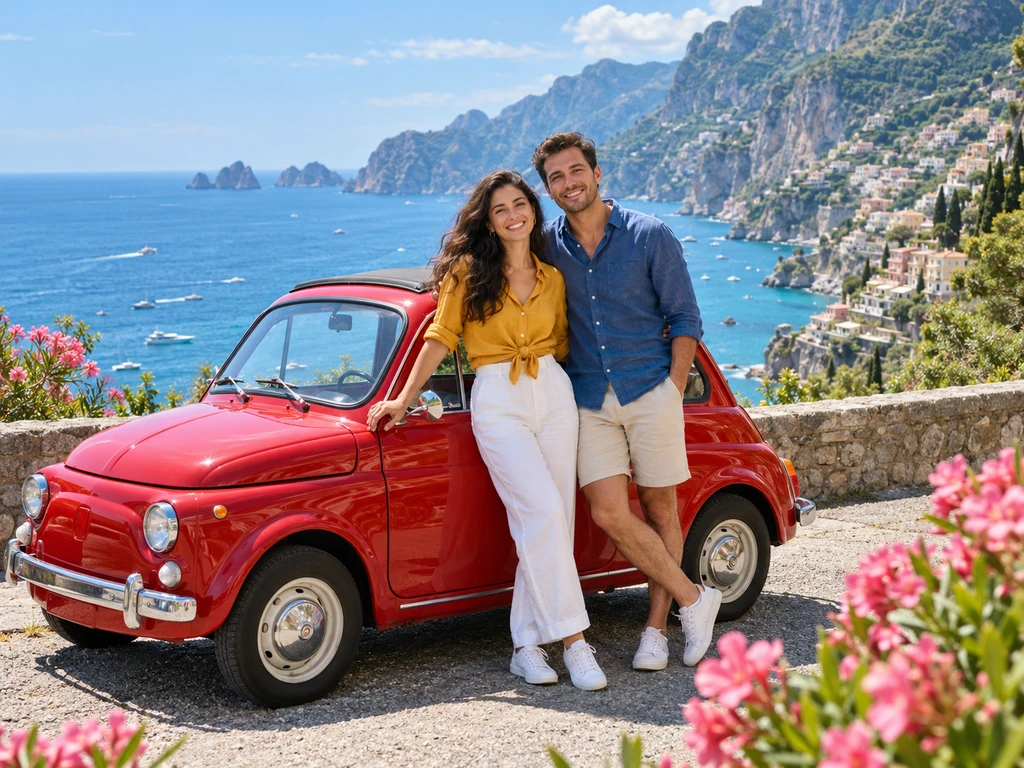
04Worn prints for zines and story props
A crease or faded corner can suggest that a photograph has been carried, stored, and handled for years. That physical history is useful in scrapbook layouts, zines, fictional case files, and visual storytelling. The aim is to make the picture feel like a handled object, with uneven wear rather than a uniform layer of noise.
Example look Worn-out print
Name the material and what happened to it: a color print folded in a back pocket calls for different damage than a blurry digital repost.
05Unappetizing food for visual comedy
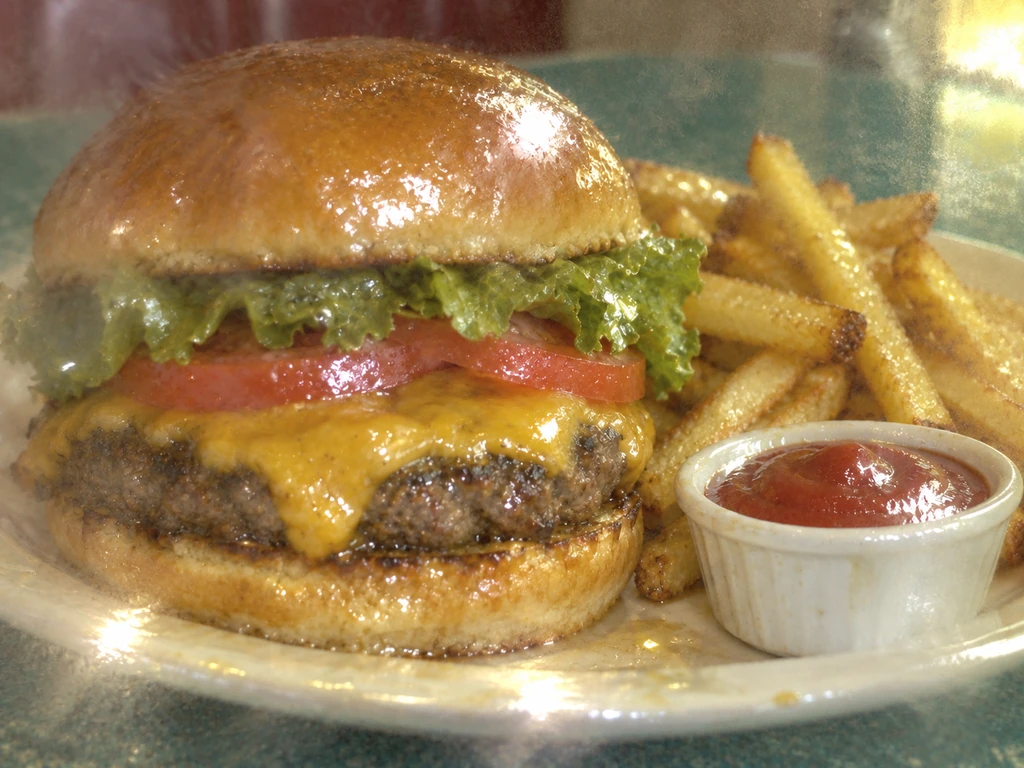
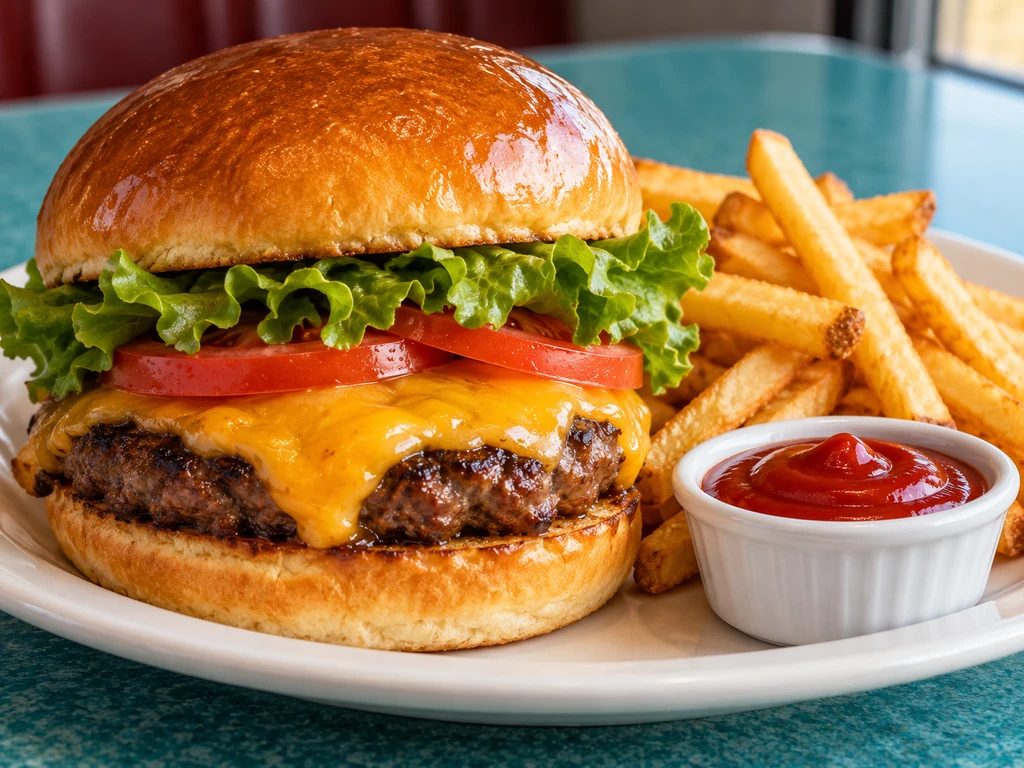
Food photography usually makes a meal look inviting. Reversing that treatment can support a fictional “expectation versus reality” joke, a parody menu, or an exaggerated bad-lunch scene. Greasy glare, dull colors, limp textures, and a smeared lens make an ordinary burger look unpleasant without needing a different subject.
Example look Greasy lens lunch
Say whether you want only bad photography or also changes to the food. In this example, the lettuce and fries look less fresh as well as less sharply photographed.
06Awkward portraits and bad party photos
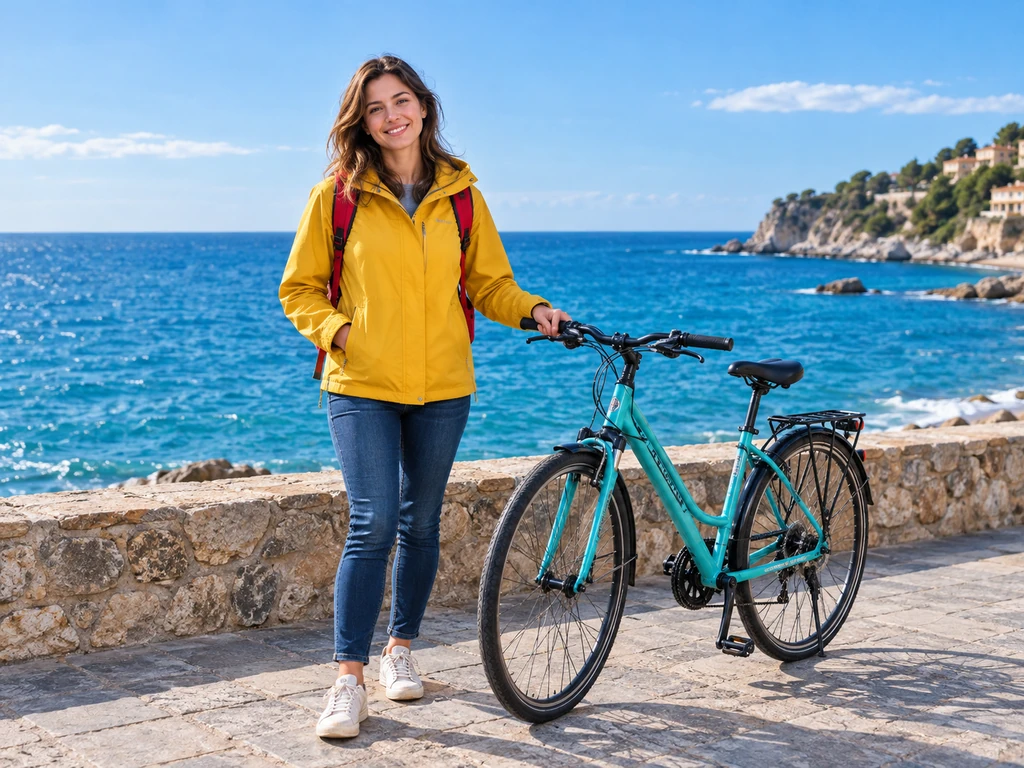
Sometimes the joke is how badly a camera captured an otherwise ordinary moment. Harsh flash, an oily-looking highlight, a dark background, and missed focus can turn a relaxed portrait into an embarrassing party snapshot. This is a direction for playful profile-picture experiments, fictional character posts, and deliberately unflattering photo humor.
Example look Flash disaster
Ask for poor lighting and focus while keeping the expression and pose. AI may still change facial details, so inspect the result before choosing it.
07Photos where the moment goes wrong
A tilted camera, a blink at the wrong moment, or a passerby in the background can ruin a technically sharp photo. These edits suit fictional holiday mishaps, reaction images, and awkward-photo jokes. The change is in the composition or the moment itself, rather than simply adding blur.
Example look Terrible framing · Blink and miss it · Background photobomb
Describe one specific accident and what must stay recognizable. Ask for an awkward expression explicitly if you want the face to change.
08Uncanny rooms and fictional strange scenes
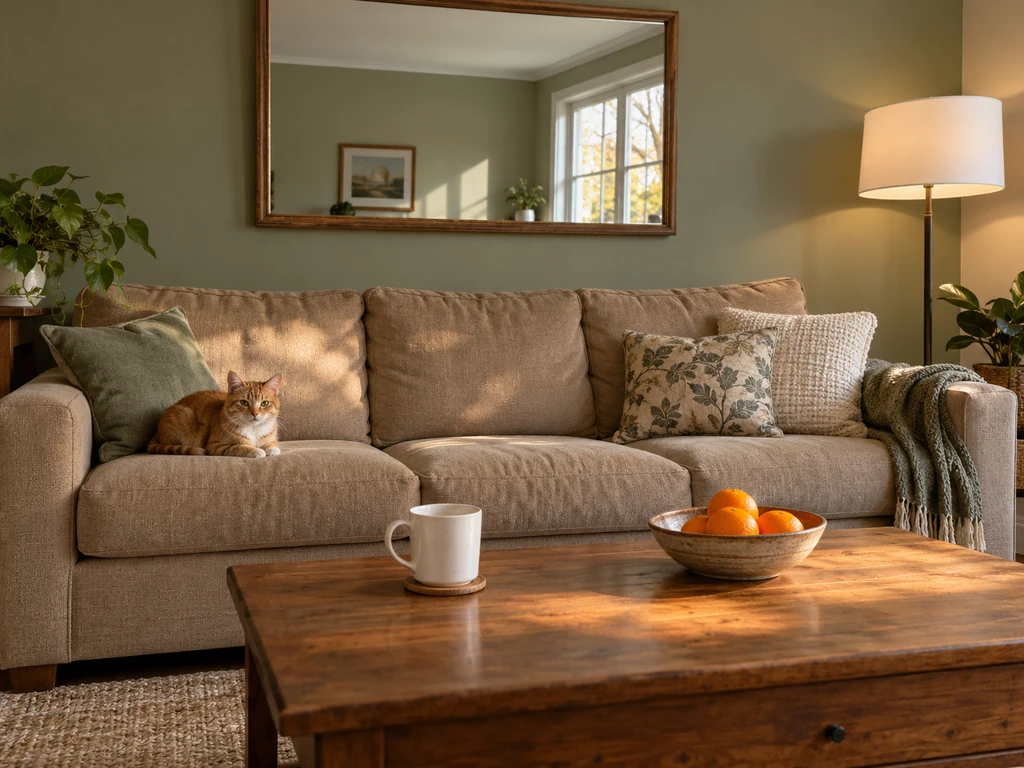
Cursed realism keeps the texture of an ordinary photograph while making a few details feel impossible. A mismatched reflection or an object built the wrong way can become a visual puzzle, a strange story prompt, or a reference for a fictional game scene. Realistic lighting makes the contradictions more noticeable.
Example look Cursed realism
Name two or three contradictions instead of asking for generic horror. Keep the rest of the room ordinary so viewers have something familiar to compare.
09Travel photos that lose the sunshine
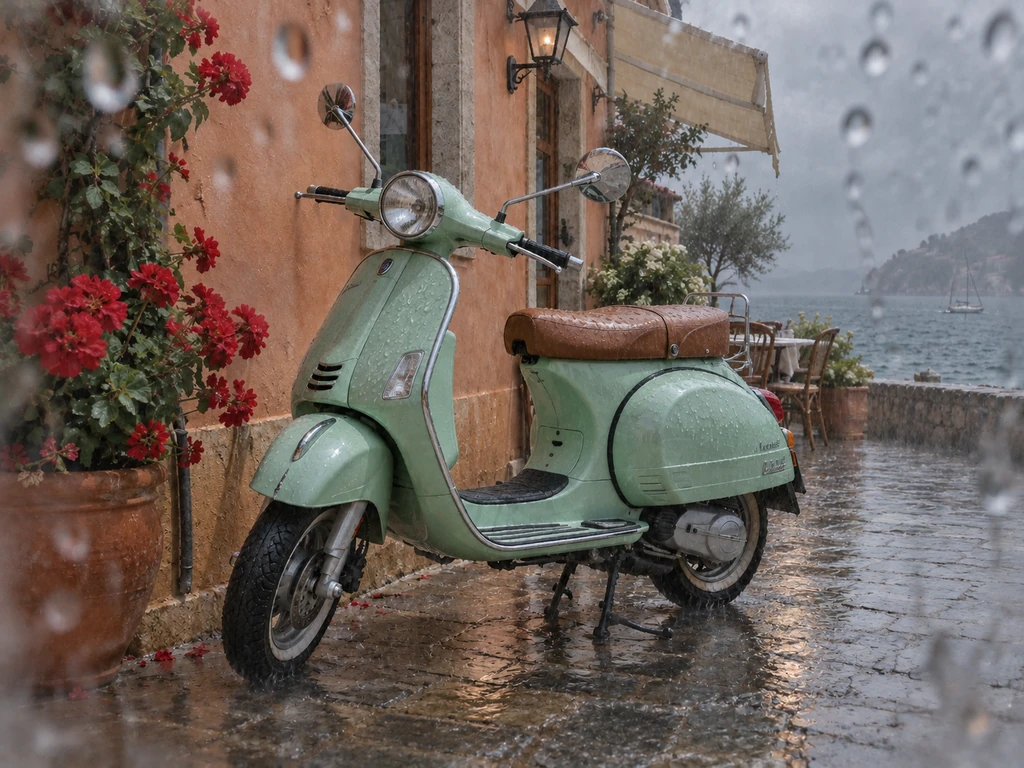
Gray skies, wet pavement, and water on the lens can turn a cheerful travel image into a disappointing rainy-day memory. This direction works for fictional expectation-versus-reality posts and weather mood boards. It changes the apparent weather as well as how the camera captured it.
Example look Rain-soaked lens
Keep the location and subject in the prompt, then specify flat overcast light and a few lens droplets. Leave some clear detail so the scene stays recognizable.